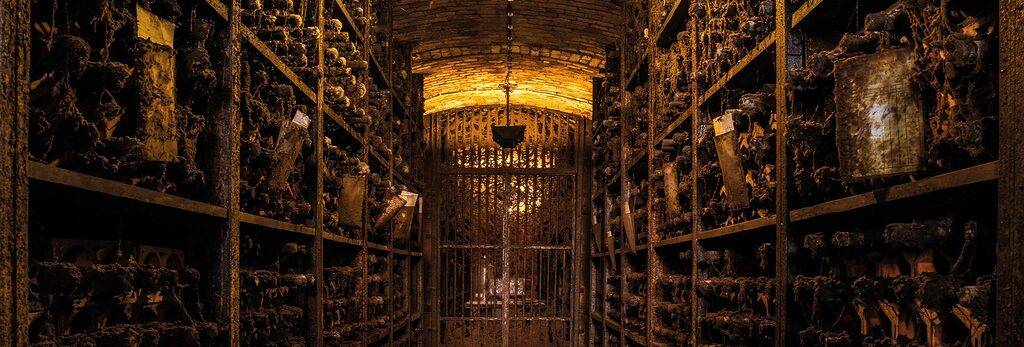
In 2025, more and more wine lovers are seeking not only to enjoy great bottles in the moment — but also to build a collection that will gracefully age over time. Whether your goal is to create a personal pleasure cellar, a long-term investment, or a treasured family legacy, constructing a proper wine cellar is key to preserving and enhancing your finest wines.
Yet many well-meaning enthusiasts fall into common pitfalls when building their cellar. To help you make the right choices, the experts at Grands-Crus.net share here the main mistakes to avoid — and the best practices to follow.
5 Common Mistakes in Building a Wine Cellar
1. Unstable Temperature
Temperature is the #1 factor for a successful wine cellar. Many people mistakenly place their cellar in a garage or under a staircase where temperatures fluctuate seasonally or daily — which can ruin wines.
Expert tip: Maintain a constant temperature between 11°C and 14°C (52°F–57°F) year-round. Sudden changes or prolonged heat can prematurely age and spoil fine wines.
2. Incorrect Humidity Level
Too much or too little humidity can both be damaging:
- Excessive humidity can lead to mold and damaged labels, diminishing the value of collectible bottles.
- Too little humidity can dry out corks, allowing oxidation.
Expert tip: Target a relative humidity of 65–75%, and monitor it regularly with a hygrometer.
3. Poor Wine Selection
Many first-time collectors fill their cellar with wines unsuited for ageing:
- Light, fruity wines rarely improve with time.
- Very inexpensive bottles offer little value for long-term storage.
Expert tip: Focus your cellar on fine wines built for ageing: Grands Crus Classés from Bordeaux, top Burgundy wines, great Champagnes, Rhône gems… (→ explore our curated selections at Grands-Crus.net)
4. Exposure to Light
Sunlight and even artificial light can degrade wines over time via photo-oxidation. Bottles exposed on open shelves or glass cabinets in a living space are at risk.
Expert tip: Store your bottles in a dark, enclosed space. Use LED lighting on timers if necessary.
5. Lack of Organization & Inventory Tracking
Without a system, it’s easy to lose track of vintages and optimal drinking windows. Many collectors open a prized bottle too early — or too late.
Expert tip: Maintain a digital or written cellar log, tracking:
- Vintage
- Drinking window
- Purchase date & provenance
- Tasting notes
This ensures you drink each bottle at its peak — and build your cellar intelligently.
Best Practices for Building Your Cellar
- Choose an ideal location: basement, purpose-built wine cabinet, professional storage.
- Invest in a reliable cooling and humidity control system.
- Prioritize wines with ageing potential.
- Store bottles horizontally to keep corks moist.
- Rotate stock: continually add young wines and drink mature bottles.
Transport: Preserving Quality Beyond the Cellar
At Grands-Crus.net, we take great pride in storing our wines under optimal conditions — it would be a shame to undo all that care during transport!
Transporting fine wines requires as much attention as cellaring them. Sudden temperature changes or improper handling during shipping can damage even the best bottles.
This is why we offer:
- Specialized packaging designed to protect wines from shocks and temperature fluctuations.
- Temperature-conscious carriers who understand the value of the wines they transport.
- Seasonal precautions: when weather conditions require, we proactively delay shipments or use climate-controlled solutions to ensure your bottles arrive in perfect condition.
Because at Grands-Crus.net, we believe the journey of a great wine — from the château to your cellar — should be as impeccable as the wine itself.

